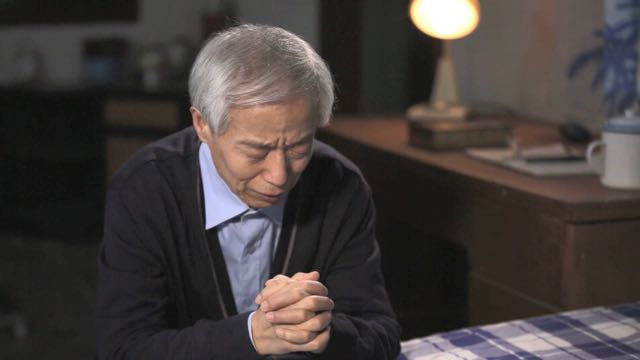
3 Principles of Prayer Christians Should Grasp
By Yuhua, China
One day, I sought from one of my friends, who believes in God, about the matter of prayer: “Many times when I pray to God, I cannot see the leadership and guidance of God, nor do I know how to pray in a way that conforms to God’s will.”
Hearing this, my friend earnestly said to me, “I also had a similar situation as you in the past. During that period, no matter how I prayed to God, I couldn’t feel the enlightenment of the Holy Spirit. Later, when I sought it from my brothers and sisters on the Internet, Sister Caiying told me the principles of prayer. Then I wrote them down and pondered them carefully, and after praying according to these principles for a while, I obtained God’s leadership.”
Upon hearing that there are principles in praying to the Lord, I felt very fresh and joyful. So I eagerly asked my friend to share them with me.
1. Prayer is done to understand the truth and attain obedience to God and worship of God. We must not, under any circumstances, engage in religious ceremony.
Very often, we look at prayer as a ceremony, thinking we need to pray regularly every day since we believe in the Lord. Yet because our prayers are aimless and we don’t know why we’re supposed to pray, we are still estranged from God after praying.
God’s words say: “Prayer is not a case of just going through the motions, following procedure, or reciting the words of God. That is to say, praying is not parroting certain words and it is not imitating others. In prayer, one must reach the state where one’s heart can be given to God, laying open one’s heart so that it may be moved by God. If prayer is to be effective, then it must be based on the reading of God’s words. Only by praying from within God’s words can one receive greater enlightenment and illumination. The manifestations of a true prayer are: Having a heart that yearns for all that God asks, and moreover desires to accomplish what He demands; detesting that which God detests and then, building on this foundation, gaining some understanding of it, and having some knowledge and clarity regarding the truths God expounds. Where there is resolution, faith, knowledge, and a path of practice following prayer, only then can it be called true prayer, and only this type of prayer can be effective.””
This shows that if our prayer is just a case of going through the process, observing rules on the surface, always saying some empty words that are repeated, and mumbling those usual words every day, or imitating others’ manners of prayer, it is not genuine worship of God. God won’t listen to such prayers because we don’t say to Him what is in our heart. This is the prayer that follows religious rituals. Our prayers should be done to understand the truth and attain obedience and worship to God. A true prayer should be centered around how to enter the truth, how to enter into the reality of God’s word, through which we can receive the enlightenment and leadership of the Holy Spirit.
For example, when we read the Lord’s words: “Not every one that said to me, Lord, Lord, shall enter into the kingdom of heaven; but he that does the will of my Father which is in heaven” (Matthew 7:21), how should we comprehend this sentence so that we can understand the Lord’s intention? We need to pray and seek the Lord while reading it. After many times of praying and seeking, we will receive the enlightenment and leadership of the Lord, which allows us to understand that this sentence refers to the requirements for entering the heavenly kingdom: Only by following God’s will and His way can we enter. That is to say, in order to enter into the heavenly kingdom, we need to practice God’s word and act in accordance with the requirements of His words, rather than merely work hard for the Lord. After understanding these, we have a new knowledge of the standard for entering the heavenly kingdom, and no longer believe in God according to our conceptions and imaginations. This is the effect of praying amid God’s words and understanding the truth.
2.We must draw upon our practical difficulties and problems when praying to God. We must not depart from reality and speak empty words, or talk of letters and doctrines.
In our life, we always encounter all kinds of problems and difficulties, which are the opportunities for us to get close to the Lord. In these situations, how should we pray to the Lord? God says: “Prayer is not about how good your words are while you pray, you only need to speak the words of your heart and speak honestly according to your difficulties. Speak from the perspective of being a part of the creation and from the perspective of submission: ‘Oh God, You know that my heart is too hard. Oh God, lead me in this matter; You know I have weaknesses, I am too lacking and am unsuitable for You to use. I am rebellious and interrupt Your work when I do things; my actions do not conform with Your will. I ask You to do Your own work and we will only obey and cooperate….’ If you cannot say these words, then you are finished.’”
We mankind all like to hear the words that are sweet to the ear. Whereas God doesn’t care if the words of our prayers are beautiful or good, but instead He likes to hear heartfelt and honest things. So, when we are praying we should be frank with God and tell Him our difficulties and practical problems we encounter in our daily lives, rather than leave our problems aside to say a bunch of letters and doctrines and empty words to the Lord.
For example, we have sacrificed and expended in the process of performing service. However, illness suddenly befalls us, and then we complain about God: How come I get sick since I have spent and paid much price for the Lord? At this time, we should quiet ourselves before God and pray to Him like this: “Oh God, I know everything is under Your sovereignty. My illness contains Your kind intention, but I can’t grasp it now. Please lead and enlighten me to understand Your intentions.” Through praying, we will discover: We believe in God only to receive blessings and peace, thinking the Lord should bestow blessings upon us as long as we expend and sacrifice for Him. Therefore, when what we receive are not blessings but illness, we can’t obey God and nurse resentment and resistance in our heart. Only then do we realize that we don’t truly obey or love the Lord, but are instead full of rebelliousness and resistance toward Him, and only then will we confess and repent to the Lord, be willing to give up the intentions of obtaining blessings, and work just for repaying God’s love. These results are achieved by praying and seeking God, and self-reflecting and knowing ourselves.
3. There must be reverence for God in our prayers, and we must be reasonable. We may not make demands of God, or take advantage of God, much less may we make trades with God.
God says: “You seldom pray genuinely, and there are some who do not even know how. Actually, to pray is mainly to say what is in your heart, as if you were speaking as you normally do. However, there are people who forget their place as soon as they begin to pray; they insist that God grant them something, heedless of whether it accords with His will, and, as a result, their prayers wither in the praying. When you pray, whatever it is you are asking for in your heart, whatever it is you long for; or, perhaps, there is an issue you wish to address, but into which you have no insight, and you are asking that God give you wisdom or strength, or that He enlighten you—whatever your request, you must be sensible in phrasing it.”
From this passage of God’s words, we understand that we should firstly stand in our place when praying. We are just creatures, so we should stand in our place as created beings and should have reverence for and obedience to God. We should not be unreasonable in the way we speak when we ask God for something, nor should we ask God for something unreasonable, much less make a trade with Him. I think of what was recorded in the Bible: Solomon prayed in quite a reasonable way. He never asked God for blessings or longevity, but only pursued to satisfy God, to manage God’s people well, and to discern true from false righteously. Another example is Job. He followed the way of fearing God and shunning evil throughout his whole life. During that major trial, when he lost all his possessions and children, and his body became covered with sores, he didn’t complain to God, nor did he ask God to help him get his fortune back or cure his illness, but rather constantly prayed and sought God’s intentions. Because he was very reasonable before God and had fear and obedience toward God in his heart, he spoke the classic words: “Jehovah gave, and Jehovah has taken away; blessed be the name of Jehovah” and “Shall we receive good at the hand of God, and shall we not receive evil?” He offered a beautiful testimony for God. Such prayers conform with God’s will. So we should, like Solomon and Job, fear God when praying no matter what we encounter.
Comparing my prayers with this principle, I realized that they are not reasonable or devout. When I pray to God, I say nothing but lots of demands, such as asking the Lord to bless all of my family members with peace and health, asking Him to bless my family with successful work and an increase in pay, asking Him to bless my child so that he can have good marks in his study and get into college, asking Him to cure illness…. In my prayers, I continuously ask God for blessings and grace without any obedience, so I fail to see His guidance and leadership. Now I realize that such irrational prayers don’t conform to God’s will.
Thanks be to God. It really is because of God’s grace that my friend shared the truth of prayer, which gives me directions and paths of practice in praying to the Lord from now on. I must practice and enter into these principles so that my prayers conform to God’s will and I can have a closer relationship with the Lord.
- 1Philippians 4:19 Explanation - Experiencing God’s Love and Provision
- 2Why Is It Hard for a Rich Man to Enter God’s Kingdom?
- 3What Is the Meaning of the Parable of the New Cloth and Old Garment?
- 4What Do the Overcomers in the Bible Refer To?
- 5What Does John 3:36 Mean?
- 6What Is the Church of Philadelphia in the Bible?